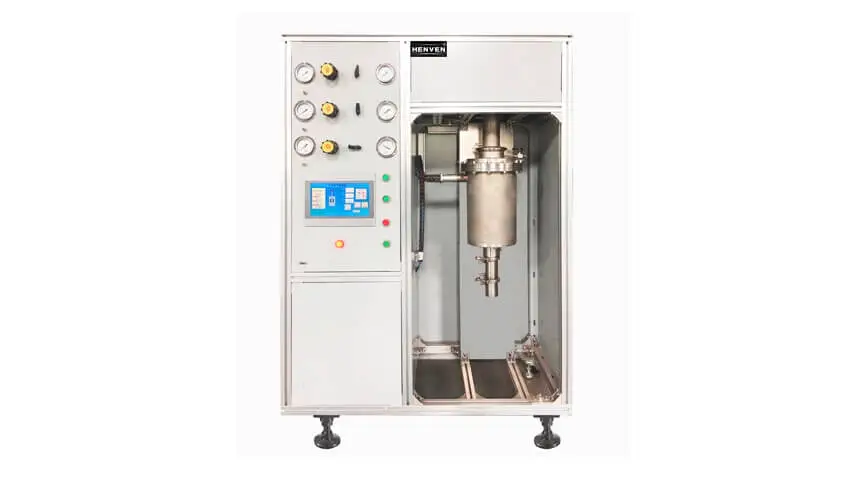
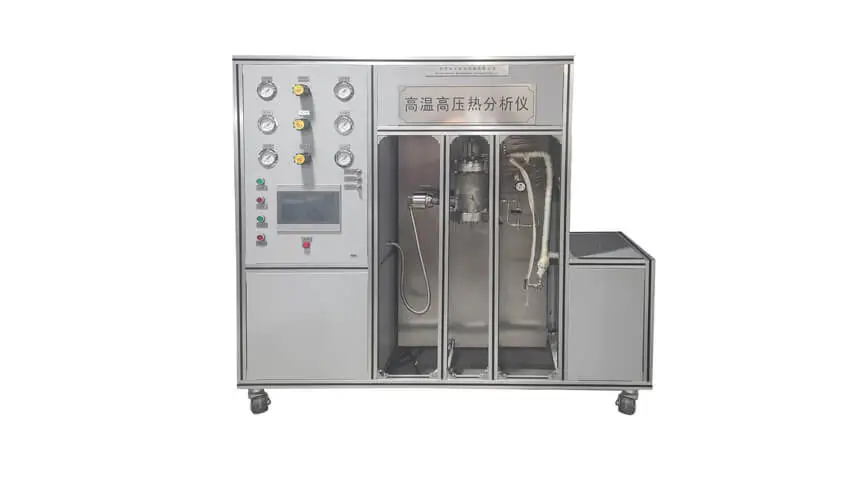
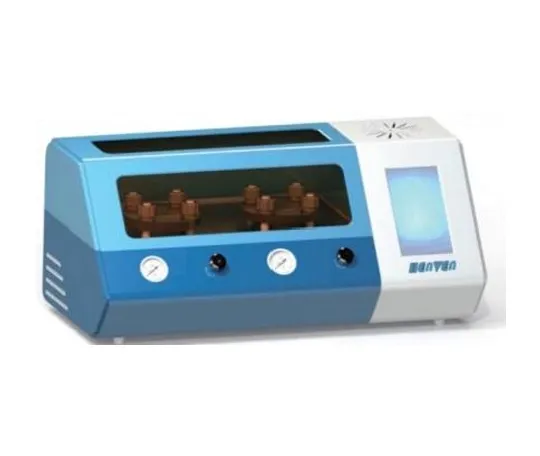
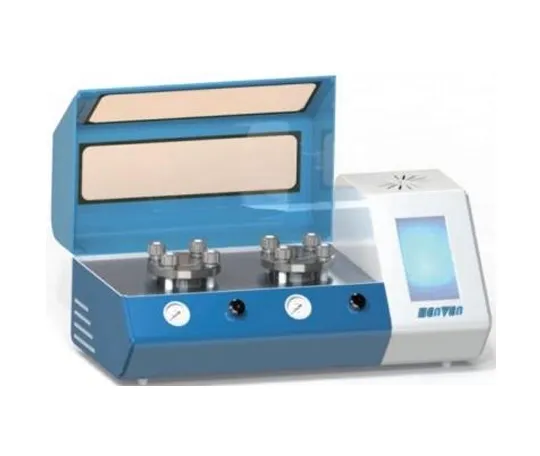
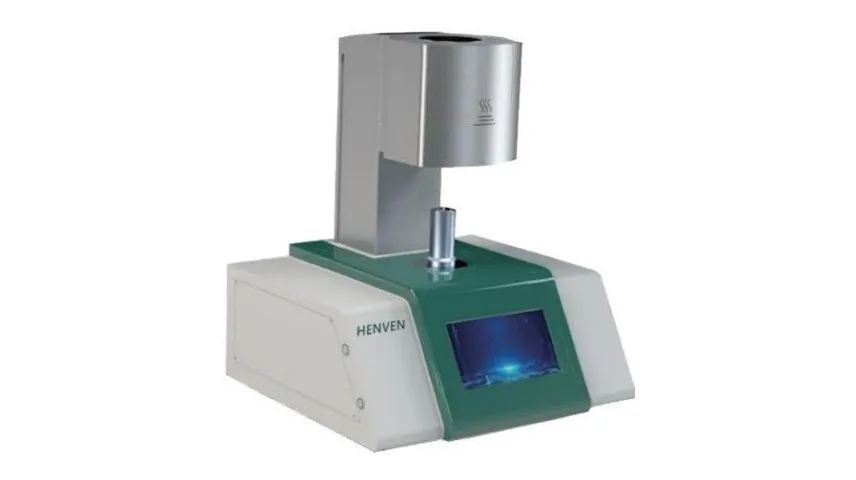
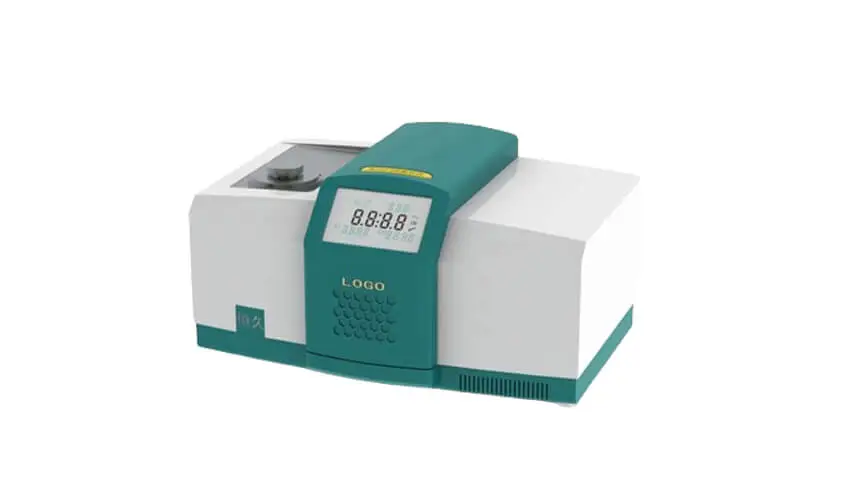
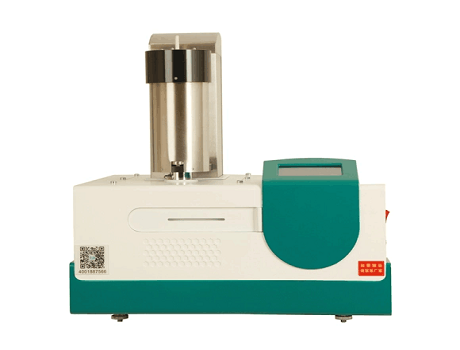
It is applied in industries such as polymers, hazardous chemicals, pharmaceutical synthesis, plastics, rubber and coatings, for research testing, quality monitoring and failure analysis.
Equipped with multiple replaceable sensors, suitable for applications in different scenarios.
Improved mechanical design of the furnace body: incorporates gas flow guide grooves and enhances the stability of the heat-soaking block insulation structure. This solves fluctuations caused by cold-hot convection inside the furnace and reduces dissipative errors induced by such convection.
Optimized algorithms: enable software calibration during processes involving constant temperature at different temperature points, different heating rates, and different gas flow rates, improving measurement sensitivity.
Method for weakening sensor output signals under refrigeration-thermal-electric effects: based on the interaction between refrigeration, heat, and electricity, reduces or eliminates the impact of electric potential by optimizing the selection of sensor materials and the orientation relationship between refrigeration factors and temperature gradients. Establishes selection criteria for sensors used under high and low temperature conditions.
Temperature composite thermal stability control method: eliminates the interaction impact between energized heating units and refrigeration at low temperatures, reduces disturbances from external refrigeration equipment on furnace temperature uniformity during heating/cooling processes, and provides guarantees for the heating, cooling, temperature control, and stability of the heating furnace.
Precision measurement of gas flow rate - Static sample stabilization method for gas ventilation experiments: it optimizes the design of the gas ventilation module and core area, reduces sample position deviation caused by gas resistance, and ensures sample position stability during measurement under fixed flow rate conditions.
Wide-range temperature variation method with high-low temperature isolation control: combines a low-temperature precise temperature control platform with multi-flow resistance for high-low temperature fluids and low-heat-capacity high-temperature radiant heating, enabling precise control of heating and cooling rates of test samples within any temperature range from low to high temperatures.
Programmed heating control method: the entire heating system consists of a sealed heating furnace body, a temperature measurement module, and a temperature control module, adopting an intelligent PID temperature-controlled internal heating method.
Temperature Range | -150℃~1500℃ (Liquid Nitrogen Refrigeration) |
Temperature Accuracy | 0.1℃ |
Calorimetric Precision | 1% (Standard Metal) |
Heating Rate | 0.1-50K/min (Customizable) |
Pressure Range | 0.1~10.0MPa |
Pressure Accuracy | 0.002MPa |
Pressure Control System | Dynamic Pressure Control |
Temperature Calibration | Multi-Point Nonlinear Calibration |
Test Modes | Including Static, Dynamic; Variable Pressure and Flow Rate |
Test Atmosphere | Oxidizing, Reducing, Inert, Water Vapor |
Software | Supports Chinese/English control and analysis software; Compatible with Windows OS |