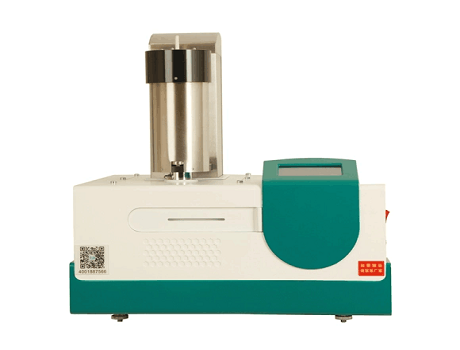
The oxidation induction period thermal stability test complies with the national standard GB/T 17391-1998. DTA.DSC or other similar thermal analysis instruments that can continuously record the sample temperature can all be used to measure the oxidation induction period.
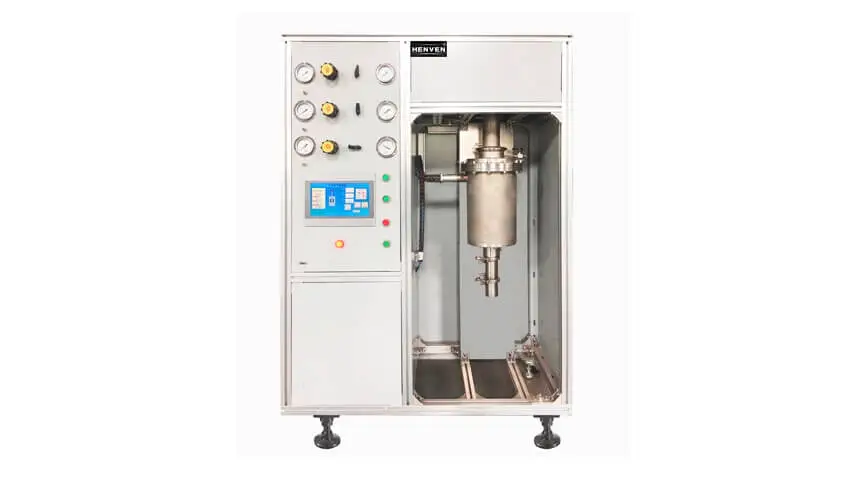
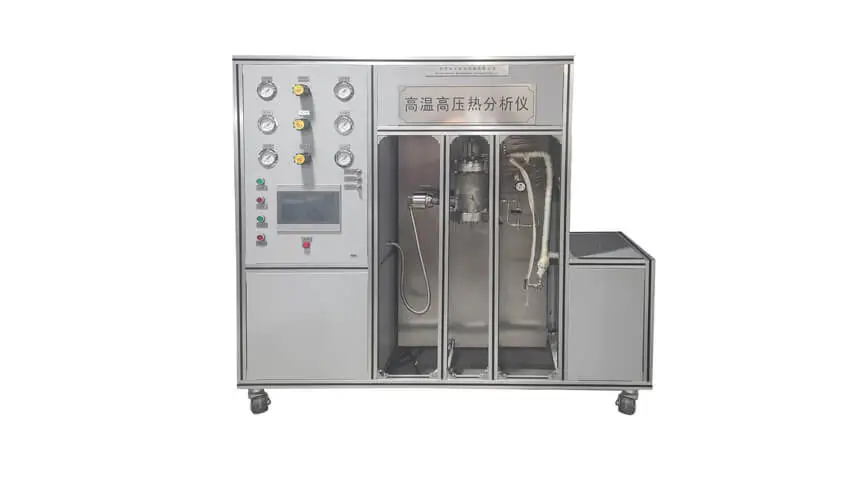
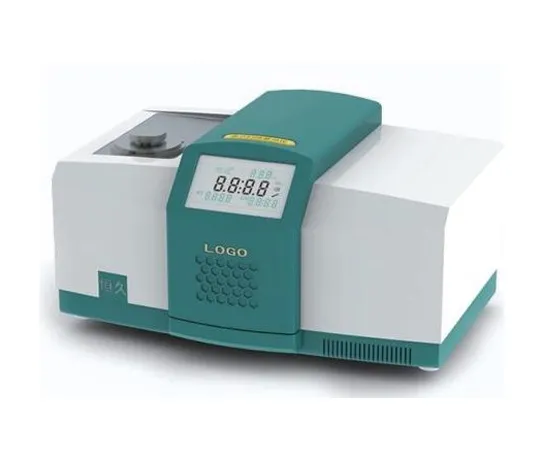
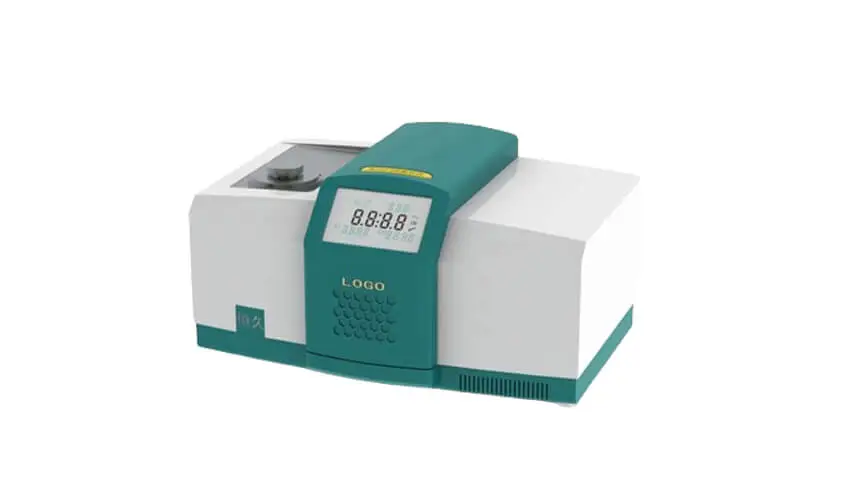
Specifically designed for measuring oxidation induction period in the plastic and rubber industries; integrated machine design combines temperature control and furnace device into one unit, reducing signal loss and interference.
Comprehensive two-channel atmosphere control system with mass flow controllers; automatic switching between nitrogen and oxygen during the measurement process.
The instrument is equipped with standard substances, allowing users to perform calibration for various temperature ranges independently and reduce instrument errors.
Intelligent software design: the instrument automatically plots graphs throughout the process, and the software can implement various data processing functions (such as calculation of DTA peak area and enthalpy, determination of glass transition temperature, analysis of oxidation induction period, and measurement of substance melting point, etc.).
Automatically draws tangents, calculates intersection points, and directly obtains the actual time from the nitrogen-oxygen switch to the intersection point.
The instrument can automatically generate oxidation induction period experimental reports.
Large-screen LCD display for real-time presentation of instrument status and data; equipped with two sets of thermocouples: one displays the sample temperature during operation, and the other displays the furnace temperature in real time (regardless of whether the heating furnace is in operation).
The instrument supports remote operation, maintenance, and calibration functions (remote operation of the instrument can be performed via the Internet).
Cut a small amount of sample and place it in the instrument's sample holder; connect oxygen and nitrogen supplies. Under nitrogen atmosphere, heat from room temperature to 200℃±0.1℃ at a rate of 20℃/min, and maintain constant temperature for 7 minutes.
After maintaining the constant temperature of 200℃ for 7 minutes, quickly switch to oxygen, and record the time when the curve changes significantly, which is the oxidation induction period.
Temperature Parameters | DTA Parameters | ||
Temperature Range | RT - 500℃ | Measurement Range | ±10μv~±2000μv |
Temperature Accuracy | ±0.1℃ | DTA Resolution | 0.01μv |
Heating Rate | 0.1℃/min~100℃/min | DTA Noise | <0.01μv |
Temperature Repeatability | ±0.1℃ | Crucible Volume | 0.06mL |
Special Functions | DSC Parameters | ||
Temperature Control Mode | Heating, Constant Temperature (Automatic Program Control) | Measurement Range(DSC) | ±500mw |
Display Mode | Chinese Large-Screen LCD Display | Minimum Resolution (DSC) | ±0.1μw |
Atmosphere System | Automatic Switching between Nitrogen and Oxygen | Power Noise (DSC) | ±0.1μw |
Gas Flow Rate | 10~200 mL/min | Power Accuracy (DSC) | ±0.1μw |