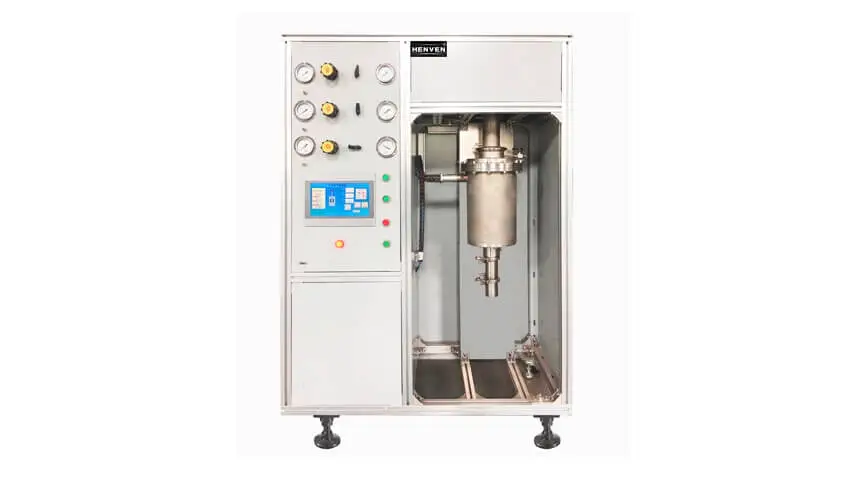
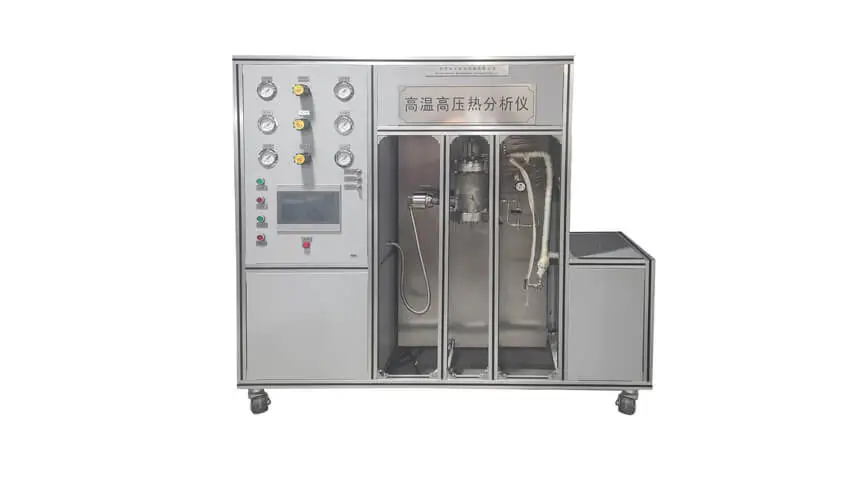
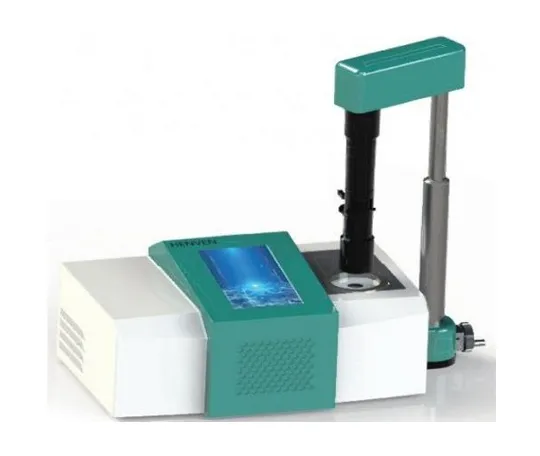
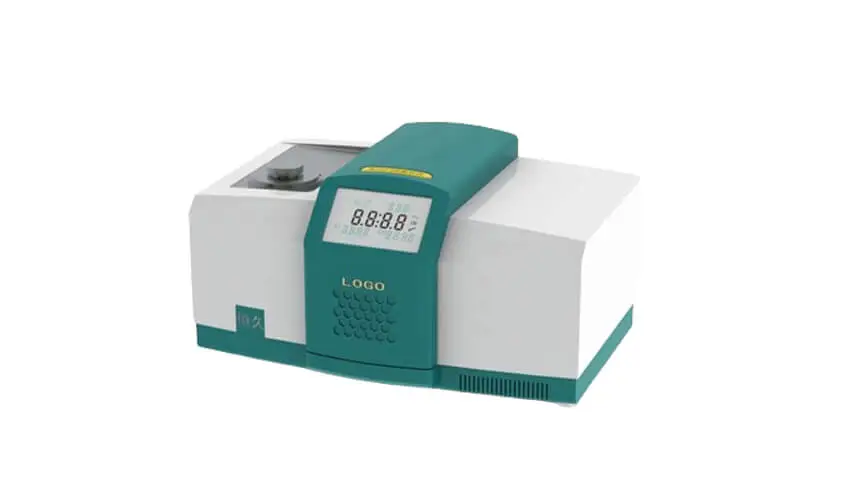
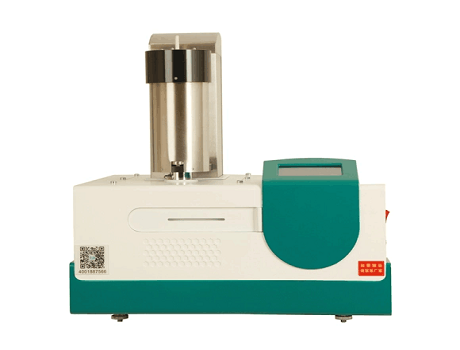
The high-pressure visual DSC adopts a new and unique design, enabling DSC data collection under high-pressure, high-temperature, and reactive gas conditions while allowing real-time monitoring of the tested substance's changes at any time through the visual system. High-precision pressure control and accurate gas flow control provide users with better support in fields such as material composition change analysis, process optimization, and quality control.
Mainly used to measure heat-related physical and chemical changes, such as glass transition temperature, melting point, melting temperature, crystallization and crystallization enthalpy, phase transition reaction enthalpy, product thermal stability, curing/crosslinking, and oxidation induction period.
Equipped with microscopic photography function synchronized with PDSC.
Capable of conducting experiments under various atmospheres at high pressure, such as N₂, Ar, He, etc.
Built-in pressure gauge to display the actual pressure in the test unit.
External pressure and flow controllers for precise pressure control under static and dynamic programmed atmospheres.
Enables optical observation of samples heated or cooled in the DSC, and synchronously records sample changes caused by relaxation, melting, or reaction processes.
| Temperature Range | Room Temperature ~ 680℃ |
| Temperature Accuracy | ±0.1℃ |
| Temperature Repeatability | ±0.1℃ |
| Heating Rate | 0.1℃/min ~ 100℃/min |
| Pressure Range | 0.1~5.0MPa |
| Observation Window | φ10mm |
| Observation Distance | ≥200mm |
Reaction Description
When a sample undergoes a chemical reaction in a high-pressure environment with constant-rate temperature-controlled heating, not only are raw material gases and pressure-assisted gases introduced, but also thermal pressurization caused by gas thermal expansion and pressure relief discharge of generated gases occur.
Technical Background
In traditional thermal analysis instruments, due to the stepwise transmission of gas, a pressure difference is formed in the reaction pipeline, making it difficult to maintain constant pressure and constant flow in the reaction environment. In particular, when the temperature rises after frosting below zero, the generated water vapor causes severe fluctuations in the DSC baseline of the sample.
Solution
By adopting new microelectronic control technology, a mechanical defrosting adjustable controller, and high-precision controllable pressure stabilization technology, we have broken through this global technical bottleneck and achieved dynamic gas balance under stable pressure (i.e., dynamic pressure balance in the internal cavity of the reactor). The addition of a defrosting system ensures no DSC signal oscillation and stable DSC baseline.
Microscope System
The integrated system of the high-pressure DSC and the equipped CCD electronic microscope system allows optical observation of samples during heating or cooling in the DSC. This optical information can provide an accurate interpretation of the phenomena measured in the DSC curve. The CCD electronic microscope system cleverly adopts the principle of image refraction, effectively solving the impact of temperature on images.
Main Features of the Microscope System
4K/1080P HDMI 60 output with adaptive switching.
Auto-focus system by moving the image sensor.
Supports multiple control interfaces such as hard trigger, mouse, foot pedal, key panel, and keyboard.
Equipped with built-in software for camera control, with functions such as measurement, image comparison, and magnification display.
Saves captured images or videos to a USB flash drive, and supports local preview and playback.
Powerful ISP functions, including excellent HDR, noise reduction, and digital zoom functions.